Your Pool Isn’t Green Just Because of "Phosphates"
It’s Green Because the Water Stopped Moving

Here’s a mistake we’re starting to see more with new owners of variable-speed pool pumps:
The pump gets installed. Someone hears “lower RPM saves money.” So they slow the pump way down… then split the schedule into little staggered cycles every couple hours.
On paper, it sounds efficient.
In reality? That pool water barely circulates.
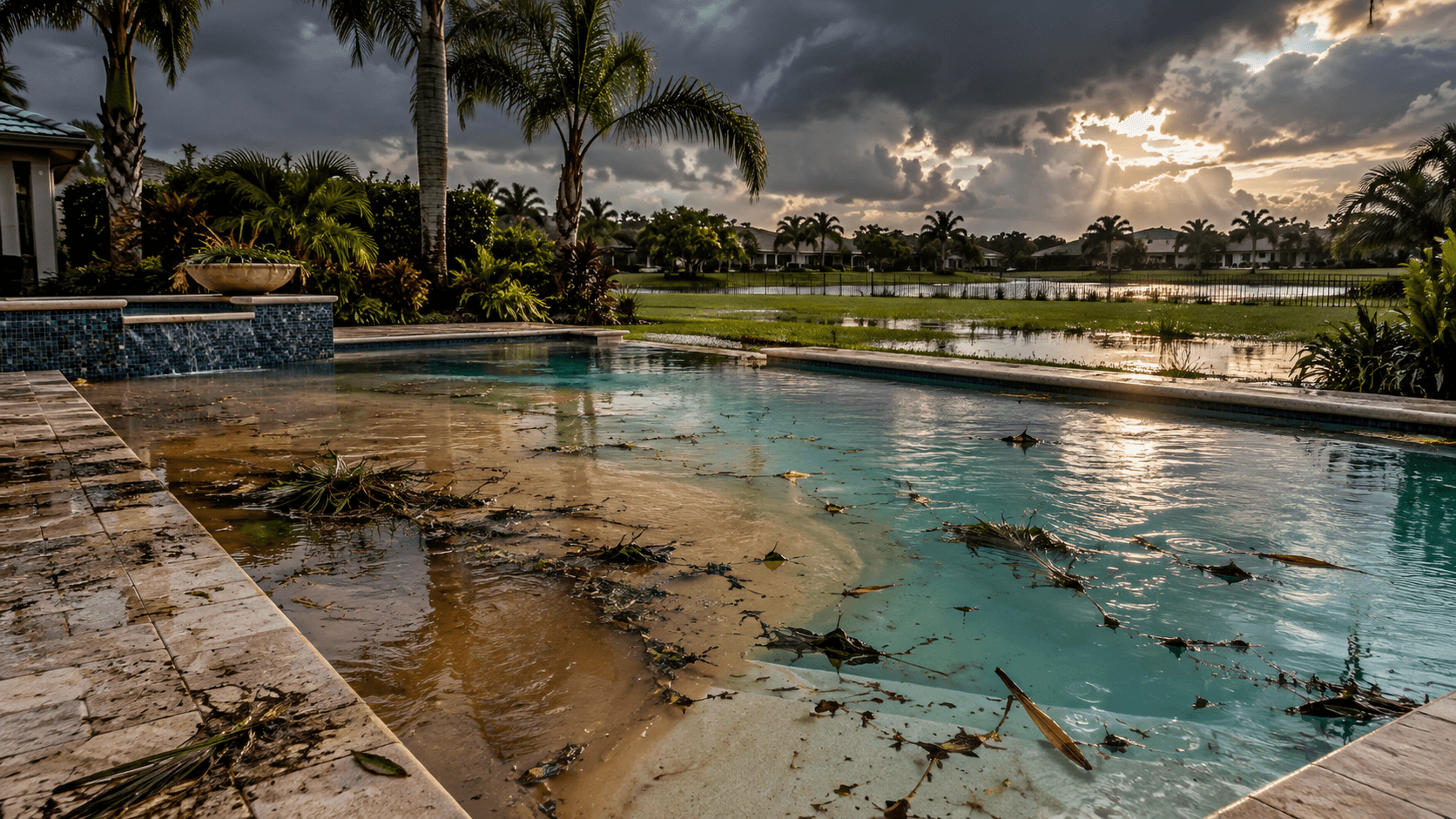
Now add Florida heat, heavy rain, pollen, sunscreen, organics, and yes — phosphates — and you’ve got the perfect recipe for algae.
Phosphates alone usually don’t create the problem. Poor circulation does.
A pool needs consistent turnover, filtration, and chemical movement. Chlorine can’t sanitize dead spots if the water isn’t actually flowing through the system long enough to do its job.
What happens next usually looks like this:
Chlorine starts disappearing fast
Dust or algae begins collecting on steps and corners
pH drifts upward
Water gets dull
Pool owner blames chemicals
Problem is actually flow
Variable-speed pumps are great. But they still need proper runtime and proper RPMs — especially during summer.
The goal isn’t just “running the pump.” The goal is moving enough water long enough to keep the pool stable.
A pool can technically be “on” all day… while barely circulating at all.
That’s how algae sneaks in quietly.
At Pool Pro Florida, we look at the entire system:
Flow
Runtime
Chemistry
Filtration
Heat load
Bather load
Sun exposure
Because clear water is usually a system issue — not just a chlorine issue.
Need help setting up the optimal pump schedule for your pool?
We’ll help dial in the right flow, runtime, and circulation for your pool size, equipment, and Florida heat — so your system runs efficiently without sacrificing water quality.
Pool Pro Florida
Call or Text: (772) 265-5708